Select date

Video: Covid-19 “Vaccine: Florida Nurse Testimony on What She Witnessed. Crisis and Corruption within the Health Care System


All Global Research articles can be read in 51 languages by activating the Translate Website button below the author’s name (only available in desktop version).
To receive Global Research’s Daily Newsletter (selected articles), click here.
Click the share button above to email/forward this article to your friends and colleagues. Follow us on Instagram and Twitter and subscribe to our Telegram Channel. Feel free to repost and share widely Global Research articles.
***
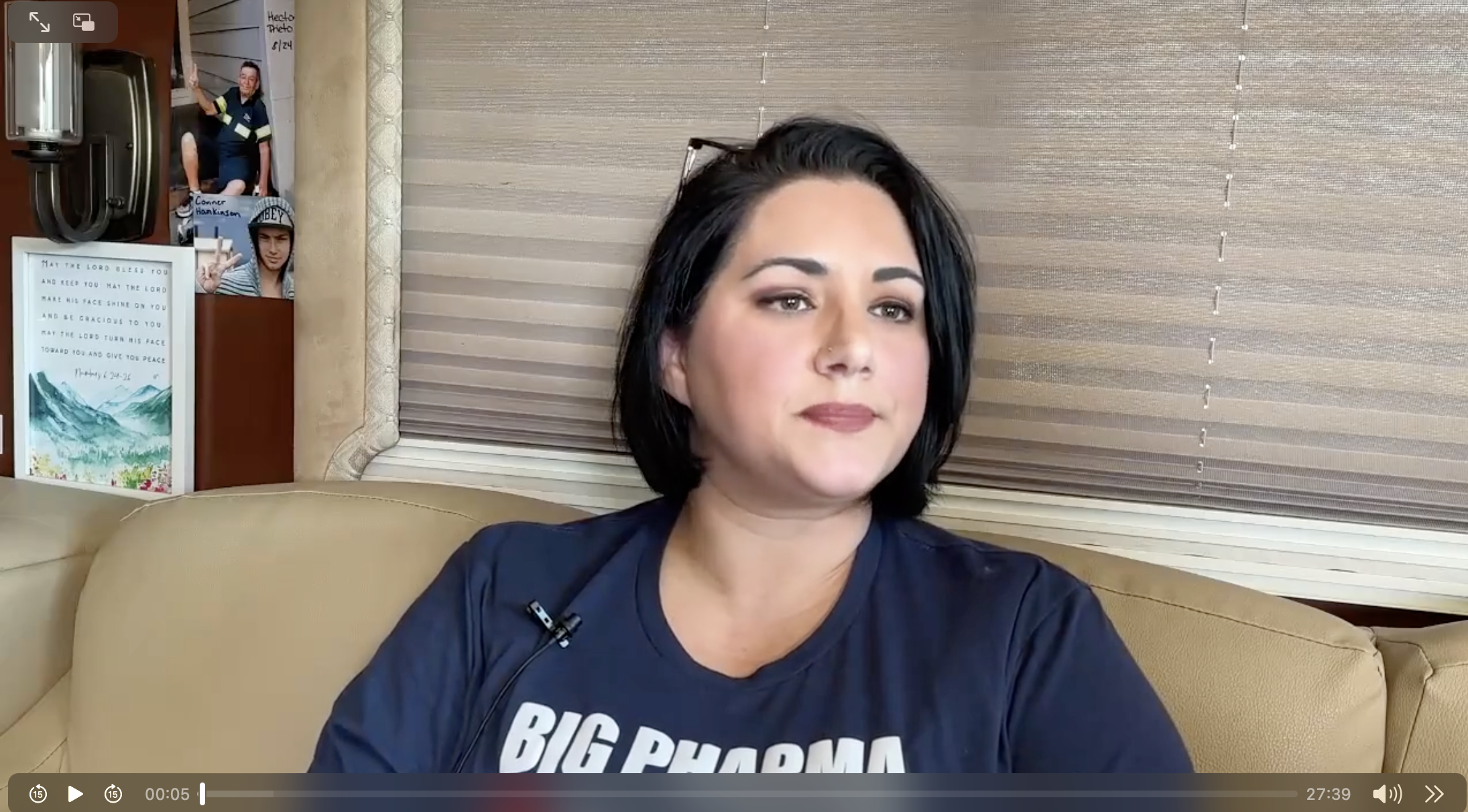
Click here to watch the video.
Transcript
Can you tell us your name?
0:02
My name is Nicole King and I’m a registered nurse in the Central Florida area.
0:06
And so this, we’re going to talk about what happened to you as a nurse during COVID.
0:11
So talk us through where you were and what you did.
0:13
So for starters, everything I say is of my own accord.
0:16
It does not represent any other hospitals that I’ve worked for.
0:19
These are all my comments.
0:22
In 2020 we were told probably around March, April that a virus was coming from China and that there was a lot of individuals that were becoming extremely ill and were passing away and that we were to get geared up as a hospital system to be aware that this is coming and that we need to kind of brace ourselves that people that are getting this are dying at rapid rates and so to prepare
0:47
We had a lot of protocols and different things that were coming from China and Italy to kind of guide us what they were doing to try to help the situation with these patients that were getting sick.
0:58
And then by the summer, you know, a couple months into it, we really didn’t have a lot of patients that were coming to the hospital.
1:05
It became kind of eerily slow.
1:07
because I think the fear that was pumped out into the communities was to not come to the hospital because this is where you could have or contract this virus and so we came to a point where a lot of nurses were pulled from non-essential areas and furloughed and then or used in different in a different capacity so by probably August or September we started to see the waves of patients coming in with this respiratory illness and even then because I think the hospitals were trying to avoid overcrowding the system
1:37
that we were not admitting patients like we should have and so I think that was kind of the first look into how we could have done things differently because these patients still had respiratory symptoms but they were not severe enough so they were being sent home and told to come back
1:53
when symptoms got worse or they were unable to breathe.
1:57
And then within the next, you know, so many days of patients being sent back home, they were coming back to the hospital system in such bad shape.
2:06
And by that point, we had had a lot of nurses and people in healthcare leave the profession.
2:11
A lot of them got let go.
2:12
Some of them went to go travel to different states that were having more of a crisis.
2:17
And so our staffing, which was already low, became even worse.
2:21
And so these patients were coming in to us.
2:23
And by the time they came back to us, they were so badly, you know, decompensated that a lot of them were not making it.
2:31
And so the ones that were coming through the door were immediately, you know, put on a ventilator.
2:36
You know, different protocols are being utilized and we started to notice very quickly that the success rate of these patients getting better was next to zero.
2:44
And so we also had quite a few protocols that involved medications like remdesivir and limiting the exposure that nurses had with their patients because we were so short staffed.
2:56
They didn’t want us to
2:57
really be in with the patients as much as we could have been or usually are to decrease exposure and so from that point on we continue to have patients just kind of coming in and you know the vaccine was being discussed and we were told you know if we did not get vaccinated that we were going to be let go and so as a nurse you know who’s been in the field almost two decades and has always been told that we can question science and discuss what’s going on in our communities and how we can make things better for our patients
3:26
We were immediately met with resistance.
3:28
You know, we were segregated.
3:31
We were told that we could not have these conversations and they kept discussing how we had to get vaccinated.
3:36
So a lot of people were so scared because people had already lost their jobs and you know, the country was essentially shut down.
3:44
People had to put food on the table.
3:46
So a lot of individuals felt that they had to get this vaccine.
3:49
And so a lot of them were being kind of co-horsed if you will.
3:53
because we were going to lose everything.
3:54
We were going to have to walk away from our professions.
3:57
And so as this continued, we had more and more people getting vaccinated, I guess, in the Christmas time of that year, people were becoming
4:07
sick after they got vaccinated.
4:08
They were coming down with flu like symptoms.
4:11
And so we started to see this trend where it appeared people that had had the vaccine were actually coming in sick.
4:20
They were the ones that were also coming in with the flu like symptoms and immune systems that really could not keep up with what was going on.
4:26
So at that point I had decided I was not going to get the vaccine.
4:30
I didn’t like the way it was being handled.
4:32
We were getting emails.
4:33
We were told that if you’re unvaccinated that we were the reason why people were dying.
4:37
You know, in the hospital setting with our empathetic and, you know, caring communities with our profession, you know, we were told that we could not participate in meetings.
4:44
We had to be in zoom.
4:45
If we weren’t vaccinated, we couldn’t eat in the same, you know, uh, break room as other people that weren’t vaccinated or were vaccinated.
4:51
And so we were just really treated on a day-to-day basis, completely like we were lepers and just lacked empathy all around.
5:00
And I started to see that kind of infiltrate and how we cared for our patients.
5:04
People that were not vaccinated did receive different care, whether it was even more lack of empathy or just in general, being told that, you know, they shouldn’t be allowed to take up a bed.
5:16
You know, they shouldn’t be allowed to come to the hospital and waste our resources.
5:21
And when I started to see people that I’ve trusted my life with and, and, you know, professions, professionals that are extremely intelligent, just become so vile towards people that we took an oath to do no harm to.
5:33
It really just kind of solidified my fact that I was not on board with what was happening.
5:37
I did not agree with how we were addressing these things.
5:40
And so I became the minority because a lot of nurses at that point did get vaccinated.
5:45
And so we were made to feel that we were not welcomed.
5:47
We were not part of the team and they did everything, meaning the hospital systems, did everything they could to get us to want to quit or get vaccinated.
5:56
So it really kind of pushed this culture
6:00
that created a very hostile work environment.
6:04
It was very, very toxic.
6:05
And so I remember being told by December 4th of 2020, you know, and a little bit past that, that if we didn’t get vaccinated, you know, when they were starting to talk about the vaccines, if we didn’t get vaccinated, then we were going to be let go.
6:18
And so I talked to my husband and I said, are you okay with this?
6:21
And he says that I trust you.
6:22
And I said, because I don’t feel right.
6:24
It doesn’t, it’s not the right thing to do.
6:26
We shouldn’t be forced to do things that we don’t feel comfortable with.
6:29
Nobody was given informed consent.
6:31
I had pages of packets that we would print out to give to patients for the vaccine that we used to give in the hospital system.
6:40
We do not COVID vaccinate in the hospital system anymore.
6:43
So that should tell you something.
6:44
A 15 page packet that basically said we don’t know what this vaccine can do.
6:49
We’re not sure what it can cause.
6:50
These are some of the adverse side effects.
6:52
If you have them, report it to VAERS.
6:55
and sign here and your second dose has to be given on the outside of the hospital and there was nothing else the inserts of the vaccines were blank 110 pharmacy would have to draw them up they were time sensitive they would have to send them to us and they could get probably five or six vaccines out of one vial
7:14
so the controlled method method of this was very kind of still not really hashed out and of course signing something that you don’t know what you’re getting was really unfortunate because people were so fear-mongered that we would have other health issues going on that under normal circumstances would not allow you to vaccinate somebody
7:34
and doctors were just waving that did not matter give them the vaccine this is what we’re doing and as some of us we would question it you know these patients are not well could we not defer this and we were told vaccinate so it became just kind of this method of it didn’t matter what else was going on and again people that had a different opinion they did not want us there it was very apparent and we were told
7:58
You know, indirectly, directly that, you know, we were people that were who are unvaxxed, that were going to infiltrate the system and skew people to feel that we needed to be anti-science, anti-vax.
8:11
And a lot of the things that we do in the health freedom movements in Florida now,
8:16
with Health Freedom Florida and Florida Freedom Keepers, you know, and many other grassroots organizations.
8:21
We try to explain to people that where there is risk, there must be choice.
8:25
And a lot of times informed consent is non-existent.
8:28
Though we are not an anti-vax, anti-science organizations, we are trying to offer people and make them understand you should have pro-choice.
8:38
You know, you have to be given the opportunity to make those best decisions for your health.
8:43
and a lot of people that we were seeing come in that had been vaccinated were having issues with autoimmune they had autoimmune issues that were exacerbated just like you know Britt Galvin we had people that were coming in with myocarditis pericarditis you know young individuals in their 20s and 30s that had no other health history but had recently been vaccinated with blood clots and pericarditis myocarditis
9:06
You know, tremors, you know, issues with their heart rate, just things that you can’t even fathom.
9:11
And people would not talk about it.
9:13
And if we did, we were immediately told that that was insane.
9:16
That’s not happening.
9:17
These are safe and effective.
9:19
And part of why I come forward is because I am still a nurse that works in the hospital system that time and time again has been declined to work in certain facilities because I would not get vaccinated.
9:30
Someone who has ample experience and has never had any
9:34
bad you know judgment against them was being offered jobs and then told I could not work because I would not vaccinate and again when your patients have more rights than your health care workers and first responders people should really question that and to to assume that we are part of the problem because people will come and say well if you’re still working in the hospital system and you knew what was going on you should have left well if every person who cares and is empathetic leaves you don’t want those people
10:03
taking care of you that are left.
10:04
And I and I don’t say that everyone is like this and to group all of us would be foolish.
10:09
But there was a culture change.
10:11
There were things that happened in healthcare that I had never seen before in my entire life.
10:15
And I want people to understand that we cannot undo what happened.
10:19
And I am deeply sorry that our profession failed many, many people.
10:24
But hopefully, you know, moving forward, we can try to work together to have our communities trust us again, and that we could have done things a lot better.
10:33
And hopefully we can grow from this, but there are a lot of vaccine injured patients that we are seeing.
10:39
We are seeing people that have had two, three, four plus vaccines, boosters, whatever you want to call them, that are coming in with heart attacks, strokes, neurological issues.
10:49
And now the link that never made sense as a cardiac nurse, I would always take patients that were coming in
10:56
that had heart issues because that’s my specialty and probably a year and a half ago we started to see patients require oncology consults.
11:06
I had no idea why and now we’re seeing that there is a derivative component whatever you want to call it and some of these batches of COVID-19 vaccines called SV40 that has now been linked to mutate cells and cause patients to be more apt to
11:22
how their cells attack it and turn into some sort of you know cancer that we’re now seeing exploding and so again it’s always pushing informed consent and letting people know what are your rights you know what can you agree to you know the fact that we’ve passed SB 252 with the governor it needs work but it’s a medical freedom bill
11:45
but to let people know that you can decline and that you still should be able to be a valued member of society.
11:51
And so part of why I feel like I’m a little, little unique in this aspect is because I still work in the hospital system after many, many times of them not wanting us to be there.
12:01
I think there’s a misconception in Florida that we are a free state that is debatable and we are still struggle.
12:08
You know, I, now this year,
12:11
had a job offered to me.
12:12
I was the most outstanding candidate.
12:14
I was the one that they wanted.
12:16
I was not, it was not disclosed to me during the, um, hiring process or anything up until I accepted it, that I was required to get a flu vaccine.
12:25
I’ve always exempted from the flu vaccine.
12:27
I have never taken it.
12:28
Um, past probably eight years ago, I stopped taking it.
12:31
I’ve always just declined it.
12:33
And that was always offered to me.
12:35
And now we have nurses across the country,
12:38
that are being denied work because of our flu vaccine status or lack thereof.
12:43
We are told that it’s okay if we don’t have the COVID-19 vaccine.
12:47
We are told that that’s not relevant at this point.
12:49
They’re not worried about it.
12:50
And now they’re saying that it’s due to the flu vaccine that we may not be able to get hired.
12:55
And in the state of Florida a month ago, when I was offered the job for the first time ever in 18 years as a nurse, I was declined a religious exemption.
13:05
for a flu vaccine and was told the only thing I could do was a medical exemption.
13:09
So they’re finding loopholes in the bills, they’re finding ways to work around the law and allowing these companies and organizations to further drive our workforce shortages and everything is a trickle-down effect and so if you don’t have people in the workforce and you’re creating unnecessary barriers
13:28
Because at the end of the day, if you were to stop breathing, you’re not going to ask me what my vaccine status is.
13:33
You want people there to help you.
13:36
They are creating it so that we don’t, we’re not allowed to work in these systems and driving the nursing shortage through the roof.
13:44
And we need the governor to understand that yes, SB 252 was a great start, but there are thousands and thousands of people that rely on work, going to school, etc.
13:58
that it goes beyond COVID-19 vaccines.
14:01
Now they’re coming after other vaccines to hold us accountable to work and go to school and be members of society.
14:08
And that that just can’t be, you know, mRNA technology has changed.
14:11
It is proven to cause issues in people.
14:15
and they’re changing the the mechanism of how these vaccines work and so without informed consent most individuals do not know that when you’re being offered these other vaccines that the technology has been changed the CDC will tell you when they change them what they’re putting in them but you do not get that when you go
14:33
to Publix or to your doctor’s office.
14:35
They don’t explain these things to you.
14:37
And that’s why nurses like me have come forward because I’ve seen the girls that you just interviewed, you know, I’ve seen what it’s like to have patients be gaslit.
14:46
I’ve seen what it’s like to have healthcare workers that you should trust turn their back on you and go against their oath and, you know, talk badly about you.
14:55
I’ve seen all of that.
14:56
And to be able to not speak up is just, to me, really unfortunate.
15:03
really wish more people would come forward but what the communities don’t understand is when we get hired by hospital systems and other private companies they have you sign forms to say it’s almost like an NDA if you will that if we’re caught on camera talking about it etc that you are immediately terminated you know you can’t even be seen with a shirt on you can’t even be seen at a governor’s rally nothing so people really feel like we’re part of the issue because we’re not coming forward but people who do
15:31
have lost everything, you know, doctors, nurses, healthcare workers.
15:35
They have lost everything trying to come forward and help their patients.
15:39
And, you know, doctors are still terrified to write, you know, medical exemptions because they’ve lost their licenses, they’ve had their privileges revoked, you know, just multiple things.
15:48
So it’s just really important that
15:51
You know, the public knows that we are out here and there are thousands of us that are trying to fight for not only your rights, but your children’s rights.
16:00
And to know that even those same people that wished me harm, wished for my life to end, wished that I would never be allowed to take care of patients and that I should be removed from the profession altogether, that despite all of that, I’m still out here fighting for you to have those rights to say that you want something or you don’t.
16:19
That bodily autonomy
16:21
and sovereignty, you can’t lose that, you know, and we’re trying our best to advocate so that that right is not taken away from you.
16:29
So, you know, how important it is to show face or at least be supportive.
16:35
We don’t always have to agree.
16:36
We don’t always have to, you know, see eye to eye on everything, but to know that without it, they will not stop.
16:44
They’re going to keep going, you know, as we see now, they’re changing vaccines that we’ve had for 50 plus years and
16:51
You know, everything has a consequence.
16:53
So, you know, that’s really the message is trying to make sure that people understand that we’re out here and that, you know, we’re trying to change the laws to accommodate everybody.